A good sign does more than show your business name. It helps people notice you, understand
what you offer, and find your location.
Think about a busy street in Vancouver, Surrey, Richmond, or Burnaby. Customers may have
only a few seconds to spot your business. A clear, well-made sign can help them recognize your
brand before they drive past or walk by.
The right sign depends on your location, viewing distance, business hours, budget, and local
rules. A café on Commercial Drive may need a different sign than a warehouse in Delta or a
clinic in Coquitlam. Here are 10 custom business signs that can help your business stand out
across Metro Vancouver and the Lower Mainland.
1. Storefront Fascia Signs
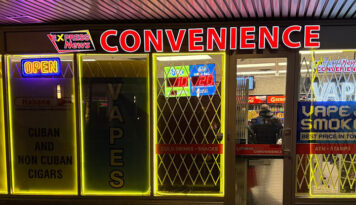
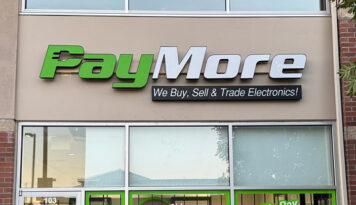
A storefront sign sits above or near your entrance. It usually shows your business name, logo, and sometimes a short description of what you do. This is often the first sign customers look for when they arrive. A clean, readable fascia sign helps people know they’ve found the right place.
Before choosing a design, look at the distance from the street to your storefront. Think about the building color, available wall space, landlord rules, and nearby signs. A sign that looks great up close may be hard to read from a passing car.
2. Front-Lit and Halo-Lit Channel Letters
Channel letters are individual letters that can be lit from the front, back, or both. They’re common in restaurants, retail stores, offices, and medical clinics throughout Vancouver and Richmond. Front-lit letters are bright and easy to read. Halo-lit letters create a softer glow behind each letter, which can give a more polished look.
LED lighting can help your business stay visible during winter evenings, rainy weather, and darker operating hours. Your sign plan should also cover brightness, power use, electrical work, maintenance access, and possible light spill.
3. Dimensional Metal Signs and Logos
Dimensional signs use raised letters, logos, or shapes instead of a flat printed surface. They can make a building entrance feel more professional and permanent.
Aluminium, stainless steel, painted metal, and powder-coated finishes are common choices. Each material has different costs, weights, cleaning needs, and weather performance.
For a business in Vancouver or Langley, the sign should be designed for moisture, wind, UV exposure, and regular cleaning. The mounting system matters too. The sign needs to suit the wall surface and remain secure over time.
4. Monument Signs
Monument signs are low, wide signs placed near a driveway or property entrance. You’ll often see them outside shopping centres, office parks, schools, clinics, and apartment communities.
They can help drivers recognise a property before they turn in. They’re also useful for businesses that share a building with several other tenants.
A good monument sign should include a clear tenant layout, strong contrast, and enough space for future updates. Landscaping, snow clearing, lighting, driveway visibility, and city requirements should all be checked before construction begins.
5. Pylon, Pole, and Roadside Signs
Pylon and pole signs are taller signs designed to be seen from a longer distance. They work well for properties beside busy roads or in large commercial areas. Drivers don’t have time to read a paragraph while passing by. Keep the message short. A large logo, business name, and simple service description will usually work better than too much small text.
The final cost may depend on engineering, foundation work, wind and snow loads, lighting, utility lines, and municipal approval. These details are especially important for roadside properties in places such as Delta, Surrey, and Langley.
6. Projecting Signs and Branded Awnings
A projecting sign, also called a blade sign, sticks out from the side of a building. Since it faces people walking along the street, it can be easier to spot than a sign that faces straight ahead.
These signs are useful for cafés, salons, boutiques, restaurants, and shops in busy pedestrian areas such as Gastown, Kitsilano, or New Westminster.
Branded awnings can also provide shade, weather protection, and extra space for your business name. Check pedestrian clearance, mounting strength, fabric quality, landlord approval, and city rules before installation.
7. Window, Wall, and Door Graphics
Your windows and doors can become useful branding space. Window graphics can show your logo, business hours, services, promotions, or privacy film.
Removable graphics are helpful for seasonal campaigns. Frosted or translucent film can add privacy while still allowing light into the space.
Make sure graphics don’t block important sightlines at entrances. Customers should be able to see doors, steps, and staff inside. Choose materials that can handle regular cleaning and the amount of sunlight your windows receive.
8. Digital Display and Electronic Message Signs
Digital signs allow businesses to change messages without replacing the entire sign. They can display menus, event details, operating hours, promotions, or community messages.
They can be helpful for businesses that update information often. However, digital signage also comes with extra costs and responsibilities. You’ll need to think about power use, brightness, glare, internet access, content updates, and repairs. Some municipalities have strict rules about brightness, animation, and message timing. Check local requirements before ordering a digital display sign.
9. Vehicle Wraps, Decals, and Fleet Signs
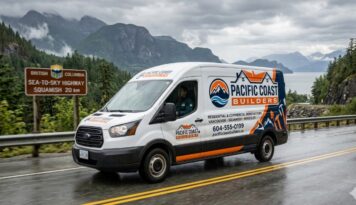
A branded vehicle can promote your business while travelling around Burnaby, Richmond, Surrey, or the wider Lower Mainland. It can also make your team easier for customers to recognise when they arrive at a job site.
Keep the design simple enough to understand in about five seconds. Include your logo, service, phone number or website, and service area. You don’t need to cover every panel with text.
A sign professional can help you choose the right vinyl, check the vehicle’s condition, and plan around doors, handles, windows, seams, and curves. The finished design shouldn’t block the driver’s view or create a safety problem.
10. Wayfinding, Directory, and Safety Signs
Getting customers through the door is only part of the job. Once they arrive, they need to know where to park, which entrance to use, and where to go next.
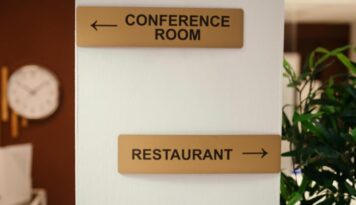
Wayfinding signs can help visitors move through clinics, offices, campuses, warehouses, and multi-tenant buildings. Directory signs can show which businesses are located inside.
Use simple arrows, readable type, strong contrast, and consistent colours. Think about accessibility, indoor and outdoor conditions, and bilingual wording where it applies. A clear sign system makes a property feel more organised and welcoming.
Five Questions to Ask Before Ordering a Sign
Before requesting a quote, ask:
- Who needs to see this sign?
- How far away will they be?
- Will they be walking, driving, or looking for the entrance?
- Will the sign face rain, snow, sunlight, or heavy cleaning?
- Does the city, landlord, or property manager have special requirements?
Ready to Make Your Business Easier to Find?
The Sign Expert can help you choose, design, fabricate, and install custom business signs for properties across Metro Vancouver and the Lower Mainland.
Whether you need illuminated channel letters for a storefront in Richmond, vehicle graphics for a Surrey service company, or wayfinding signs for a Burnaby office, the right solution starts with your location and customer journey.
Ready to take your business signage to the next level? Request a free signage consultation.
FAQs
1. What type of sign is best for a storefront?
A storefront or fascia sign is usually the starting point. Illuminated channel letters, dimensional letters, or a custom sign panel can make the business easier to spot during the day and at night.
2. Do I need a permit for a business sign in BC?
You may need a permit, depending on the municipality, sign type, property, size, lighting, and mounting method. Check with your city before production or ask your sign company to help review the requirements.
3. Are illuminated signs expensive to maintain?
LED signs are generally designed for long-term use, but they still need occasional cleaning, inspections, and repairs. Maintenance access and electrical components should be discussed during the design stage.
4. Can I use signs on my business vehicle?
Yes, many businesses use vehicle decals, partial wraps, and full wraps. The design should remain readable and must not block windows, lights, licence plates, or the driver’s view.
5. How long does a custom sign take to make?
The timeline depends on the design, materials, size, lighting, permits, fabrication, and installation site. A simple sign may move faster than a large illuminated or engineered sign system.